Nitrogen vs Oxygen Mix Laser Cutting: Optimal Gas Solutions

Optimal Cutting Performance with Nitrogen vs Oxygen Mix

Optimal Cutting Performance with Nitrogen vs Oxygen Mix

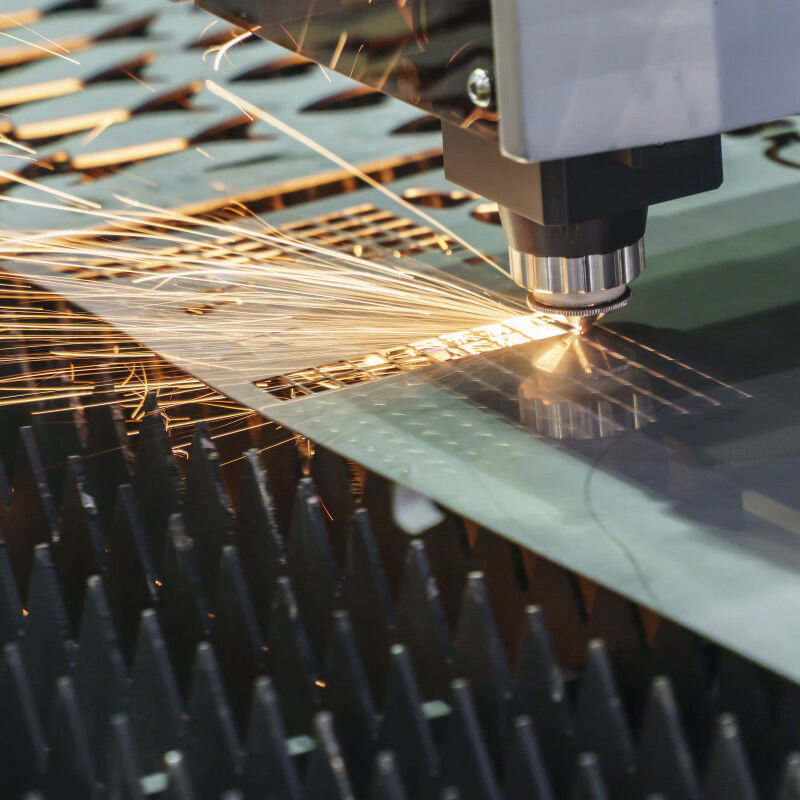
When it comes to laser cutting, the choice between nitrogen and oxygen as a cutting gas can significantly impact the quality and efficiency of the process. Nitrogen, being an inert gas, prevents oxidation and results in clean, burr-free cuts, making it ideal for stainless steel and non-ferrous materials. In contrast, oxygen can enhance the cutting speed, especially for thicker materials, but may lead to oxidation and rough edges. At Shanghai Raysoar Electromechanical Equipment Co., Ltd., we provide tailored solutions that leverage over 20 years of experience in laser applications, ensuring that our clients achieve optimal results depending on their specific needs. Our expertise allows us to recommend the best gas mix for your laser cutting operations, enhancing both performance and cost-effectiveness.
Get A Quote

Case Studies

Precision Cutting with Nitrogen for Aerospace Components

In a recent project with a leading aerospace manufacturer, we utilized nitrogen for laser cutting titanium components. The inert nature of nitrogen ensured that there was no oxidation during the cutting process, resulting in high-quality edges that met strict aerospace standards. Our team provided on-site maintenance and training to ensure that the equipment operated at peak efficiency, ultimately reducing production time by 30% and costs by 15%. This case exemplifies how choosing the right gas mix can enhance product quality and operational efficiency in high-stakes industries.

Accelerated Production with Oxygen for Thick Steel Plates

For a heavy machinery manufacturer, we implemented an oxygen mix for cutting thick steel plates. The enhanced cutting speed enabled the client to increase their production capacity significantly. Although oxygen can introduce some oxidation, our advanced laser cutting technology minimized this effect, leading to a manageable level of post-processing required. This project highlighted the effectiveness of oxygen in specific applications where speed is paramount, showcasing our ability to adapt to client needs.

Versatile Solutions for Metal Fabrication

A metal fabrication company approached us for a solution that could handle various materials efficiently. We recommended a nitrogen vs oxygen mix strategy, allowing them to switch between gases depending on the material being cut. This flexibility improved their operational workflow and reduced downtime. Our comprehensive training and support ensured that their team was proficient in adjusting settings for optimal performance, demonstrating our commitment to client success.

Related products

Laser-cutting technology is used in manufacturing for efficiency and precision in material processing. However, operational efficiency and cut quality depend on what gas is used for cutting. Nitrogen is the preferred cutting gas for stainless steel and aluminum because it is non-oxidizing. However, for thicker materials, oxygen increases cutting speed, although oxidizing edges and making them rough. Tailoring solutions for laser cutting applications and guiding gas mix selection is a result of the company’s extensive experience which operational efficiency training, uncompromising quality, and total customer satisfaction. Understanding the client and material helps in cutting gas recommendation and optimization, thus ensuring a cost effective and high performance laser cutting process.

Common problem

What are the advantages of using nitrogen for laser cutting?

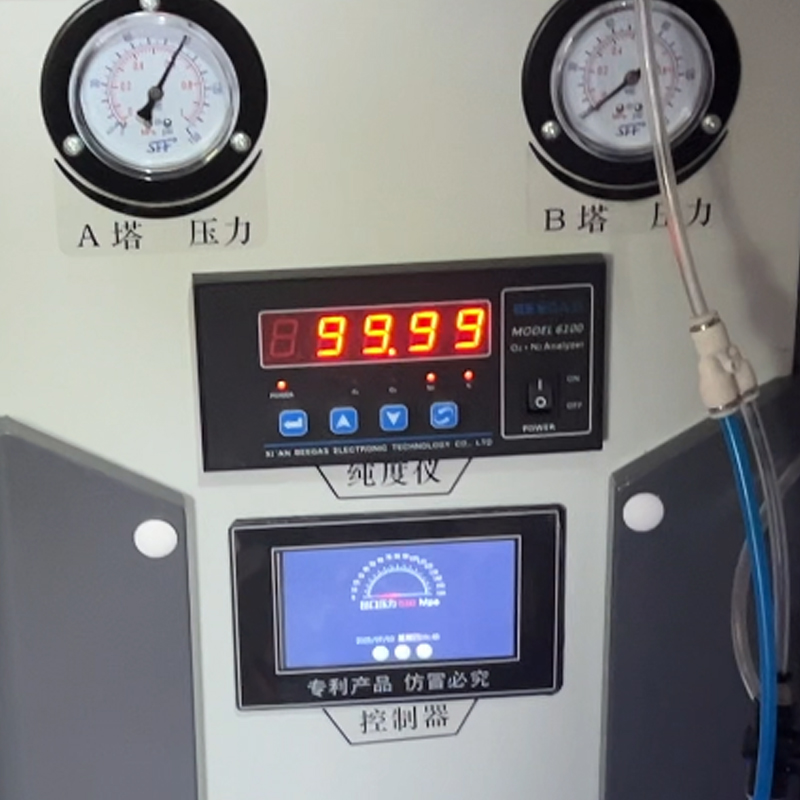
Nitrogen is an inert gas that prevents oxidation during the laser cutting process, resulting in clean, burr-free edges. It is ideal for cutting stainless steel and other non-ferrous materials, ensuring high-quality finishes without the need for extensive post-processing. Additionally, using nitrogen can lead to lower operational costs as it reduces the need for secondary treatments.
Yes, oxygen can significantly enhance cutting speeds, especially for thicker materials. However, it may cause oxidation, leading to rough edges. For applications where speed is critical, oxygen can be an excellent choice, provided that the potential for oxidation is managed through appropriate techniques and equipment.

Related article

Choosing the Right Laser Cutting Equipment for Your Needs

06

May

Choosing the Right Laser Cutting Equipment for Your Needs

Discover key considerations for selecting laser cutting equipment, exploring material compatibility, power requirements, and types of laser machines for precision work and maintenance. Ensure safety and optimize performance with our comprehensive guide.
View More
Selecting High-Quality Laser Optics for Optimal Performance

27

May

Selecting High-Quality Laser Optics for Optimal Performance

Explore the fundamentals of laser optics, including key components, material selection, and quality standards. Discover the impact of wavelength compatibility, surface roughness, coatings, and applications in various sectors like automotive and aerospace for optimal laser system performance.
View More
What factors affect nitrogen purity in laser welding?

25

Jul

What factors affect nitrogen purity in laser welding?

This article explores what factors affect nitrogen purity in laser welding. It covers aspects like nitrogen sources, material - specific requirements, equipment and environmental factors, and also touches on FDA - related considerations. Common questions about laser welding nitrogen purity are answered.
View More
Differences between fiber and CO2 laser lenses

21

Oct

Differences between fiber and CO2 laser lenses

Discover the critical differences between fiber and CO2 laser lenses—wavelength, materials, maintenance, and optimal applications. Choose the right lens for precision results.
View More

Customer Reviews

Sarah Lee

Thanks to Raysoar’s guidance on gas selection, we have seen a remarkable increase in our production speed. The ability to switch between nitrogen and oxygen has allowed us to optimize our processes and meet tighter deadlines without compromising quality.

John Smith

Working with Raysoar has transformed our laser cutting operations. Their expertise in nitrogen vs oxygen mix has helped us improve our cutting quality and reduce costs significantly. The training provided was invaluable, and their support is always just a call away.

Get a Free Quote

Our representative will contact you soon.
Email
Name
Company Name
Message
0/1000
Expertise in Laser Cutting Technology

Expertise in Laser Cutting Technology

With over 20 years of experience in the laser application field, Raysoar is a trusted partner for businesses looking to optimize their laser cutting processes. Our deep understanding of various materials and cutting techniques allows us to offer expert guidance on the best gas mixes for your operations. We stay at the forefront of technological advancements, ensuring that our clients benefit from the latest innovations in laser cutting technology. Our commitment to continuous improvement means that we are always seeking ways to enhance our services and support, providing you with the expertise needed to excel in a competitive market.
Tailored Gas Solutions for Optimal Performance

Tailored Gas Solutions for Optimal Performance

At Raysoar, we recognize that each client’s needs are unique. Our tailored gas solutions for laser cutting ensure that you can achieve the best results for your specific applications. By analyzing the materials you work with and understanding your production goals, we provide recommendations that enhance efficiency and reduce costs. Our extensive experience in the industry allows us to offer insights that can help you make informed decisions about your gas usage, leading to improved cutting quality and operational performance. We are committed to providing not just products, but also solutions that drive success in your laser cutting operations.

Related Search