What shapes a fiber laser cutting head price?
A fiber laser cutting head price reflects a part of a larger machine, not a stand-alone purchase. Its model, rated power and focus setup may change the quote. The scope of supply matters too. Ask whether the offer covers only the head or also includes parts needed for your machine. Compare offers on the same basis rather than judging by a single number.
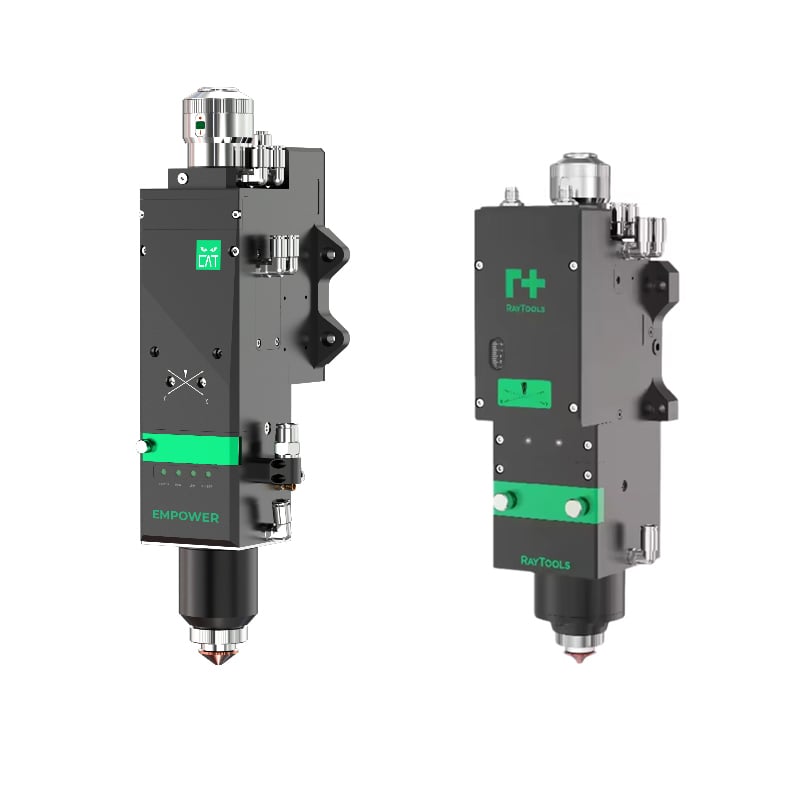
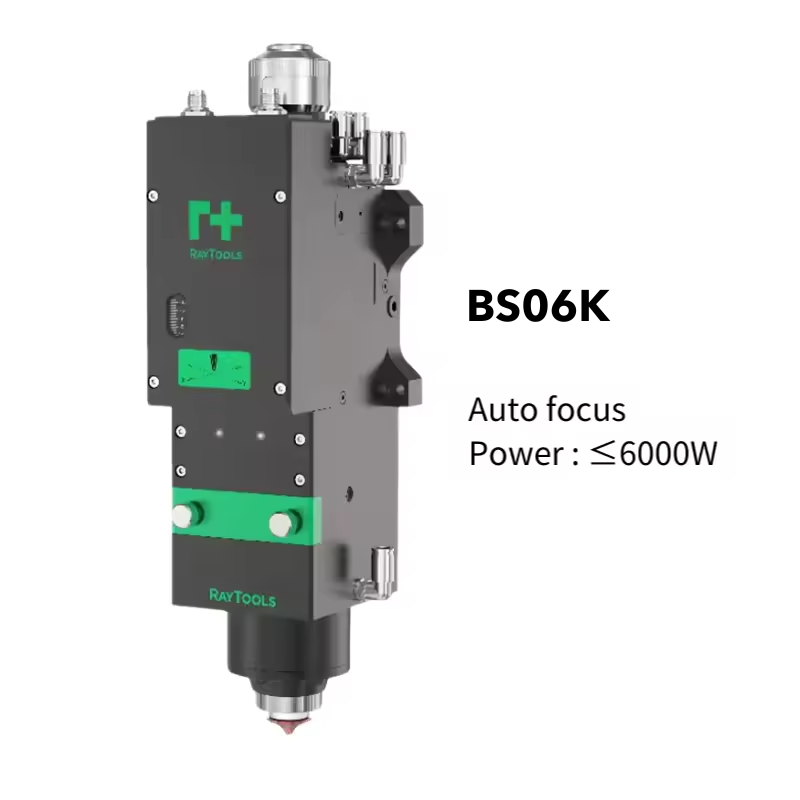
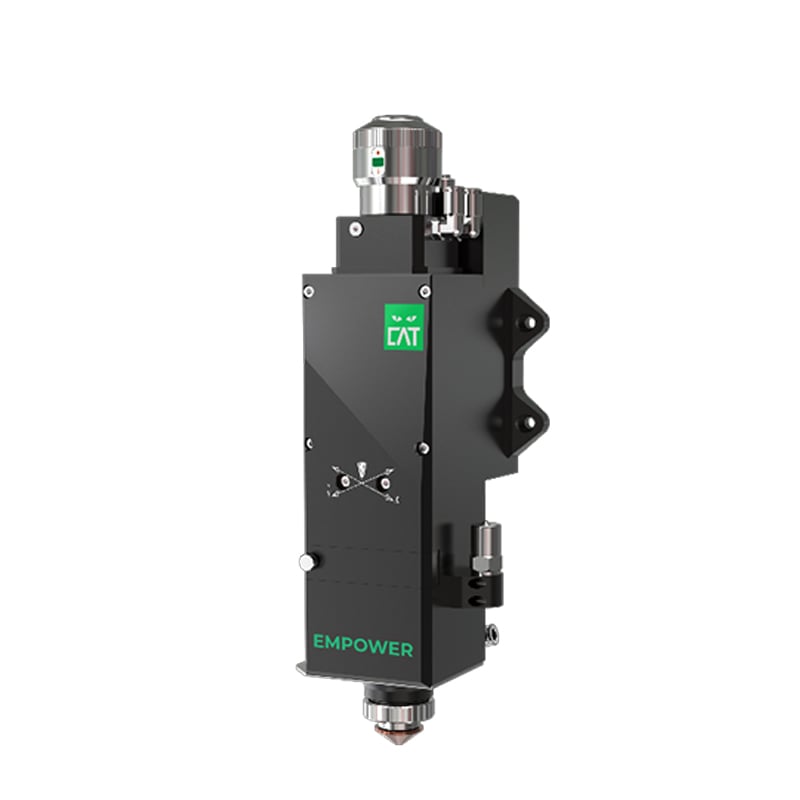
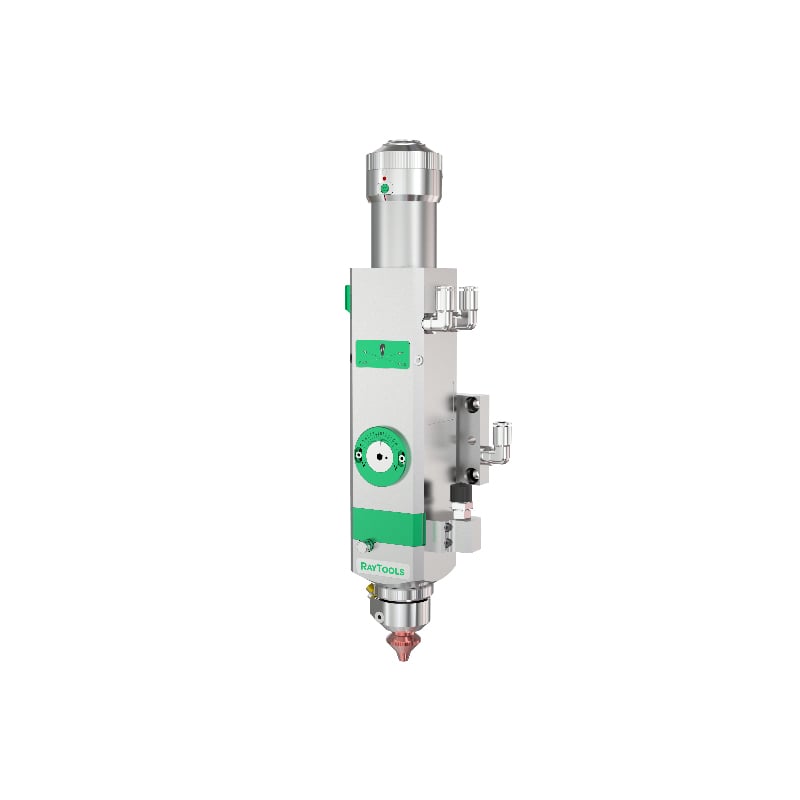
The listed BS06K is described as a 6 kW auto-focusing head. The BS03K-CAT is listed as a 3 kW model. Those figures are product labels, not a claim that either head will work with any source of the same power. Check the full head and source data for your job. A fiber laser cutting head price can then be discussed for the exact model and scope.
A useful fiber laser cutting head price review separates the head from any extra items. Ask which cables, nozzles, optics or mounting parts are included, if any. If a part is not listed, mark it as an open question. This helps the buyer compare each fiber laser cutting head price with the parts the service team already has. It also prevents an unclear offer from being treated as a complete machine kit.
Match the head to the job
Start with the machine make and model, laser source, output power and intended cutting work. Note the material and thickness range you plan to process. These facts help frame the choice, but they do not by themselves prove a head is suitable. Ask for the relevant product data and check it against the machine requirements.
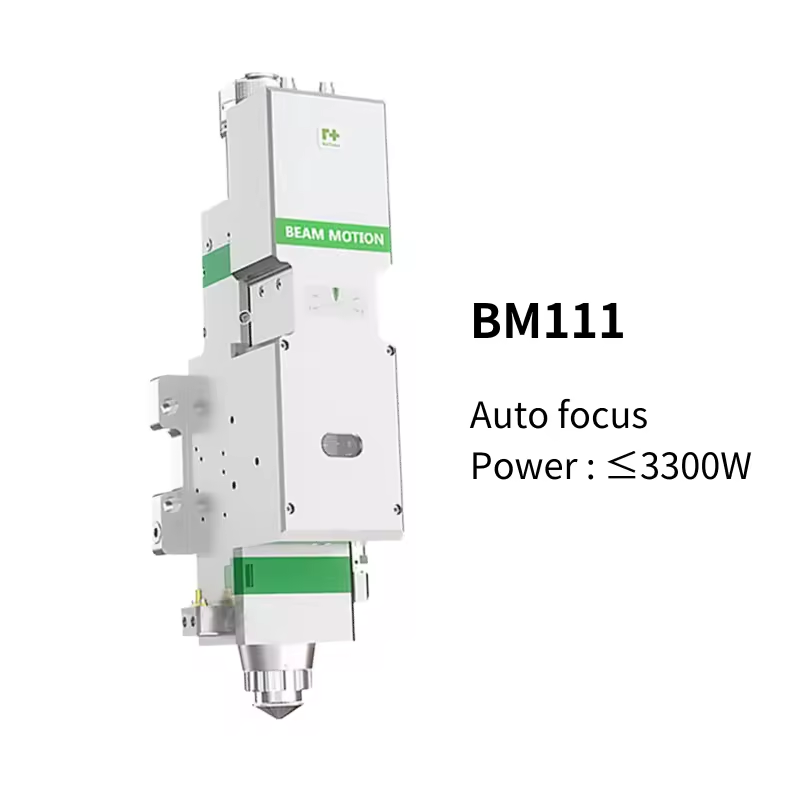
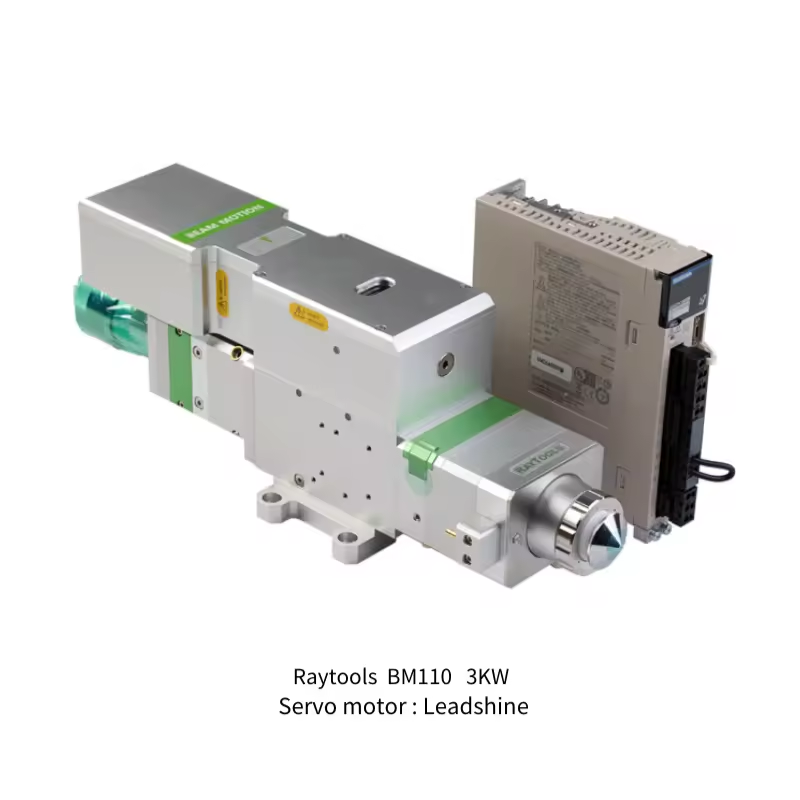
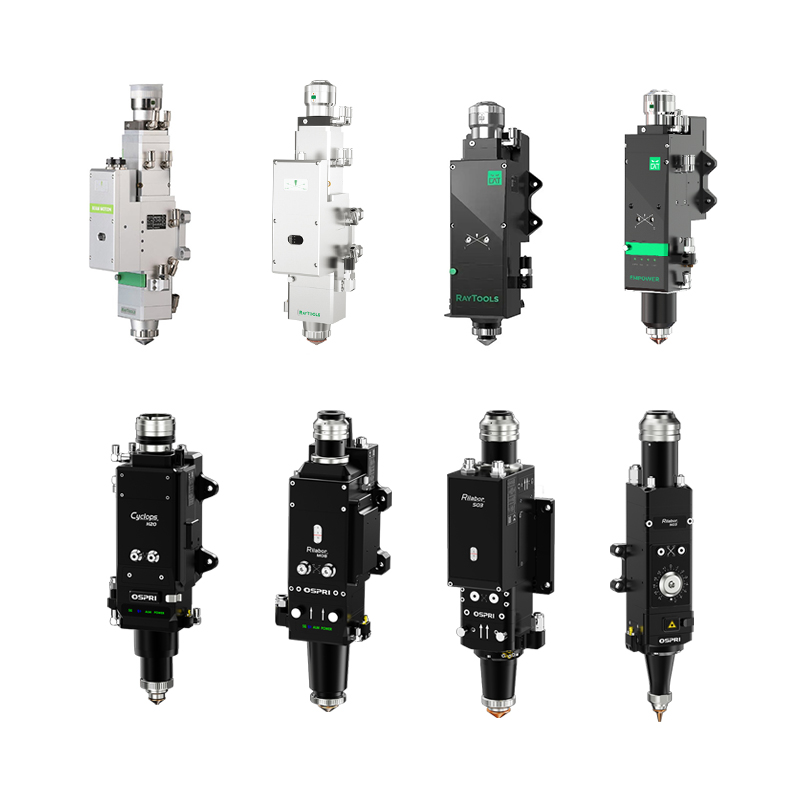
The BM111 listing names F100 and F150, while the BM110 record names F125 and F155 lenses. Treat these as model details to check with the seller, not as a promise that the heads are interchangeable. If the old head has a plate or a part number, share a clear photo. If you have a drawing, use it to review the proposed fit. Where records are missing, list the gap for confirmation.
For a new build, the work plan may not yet be fixed. In that case, give the team a range of expected uses and say which are still under review. An integrator can then flag choices that depend on the final layout. A replacement job may call for a closer match to the existing system. Keep the new-build and replacement assumptions distinct when asking for a quote.
Review mounting and machine interfaces
A head must fit its mount and connect to the surrounding system. Map the mounting position, cable route and available space before a model is approved. Review the source connection, control signals, gas path and cooling needs against the data for the exact head. Do not assume a connection fits just because two model names look alike.
Share a machine drawing or photos when they are available. They can help the parties discuss clearance and access, but a photo is not a substitute for the needed dimensions. Ask the machine builder or a qualified integrator to check any change to the system. If a layout is still being designed, mark each interface as pending until the final parts are known.
Make a simple record of what has been checked and who must review the rest. For example, a buyer may know the model name while a service lead can check the mount and a controls engineer can review signals. This keeps a fast price request separate from a final fit decision. It also makes it easier to compare changes if the scope of the order later shifts.
Plan service and operating checks
Before ordering, ask how the head is accessed for routine care and what spare parts are relevant to the proposed configuration. Review the machine manual and the head documentation for safe service steps. Isolate the machine as directed by its maker, and use trained staff for work on laser equipment. Do not open or adjust the head based on a generic guide alone.
Keep a record of the selected model and any confirmed parts. When a replacement is needed, this record can help the buyer and service team describe the request clearly. Ask about the scope of support and spare parts in the quote rather than assuming they are included. The goal is to balance the speed of an order with enough detail for a sound technical review.