Set criteria for the best fiber laser cutting head
Finding the best fiber laser cutting head starts with a clear picture of the work. List the source power, the material types and the thickness range you expect to cut. Note whether this is a new build or a swap on an existing machine. A head must be judged as part of a whole system, not as a stand-alone part. The best fiber laser cutting head for one set of jobs may not be the right choice for another. The needs of a small set of recurring jobs may differ from those of a line that changes material often.
Ask the machine builder and the people who run the line to review the same brief. Record the current source, controls and any space limits. If a value is unknown, mark it as an open question instead of guessing. This makes it easier to compare offers on the same basis and avoids treating a name or a high power figure as the sole reason to buy.
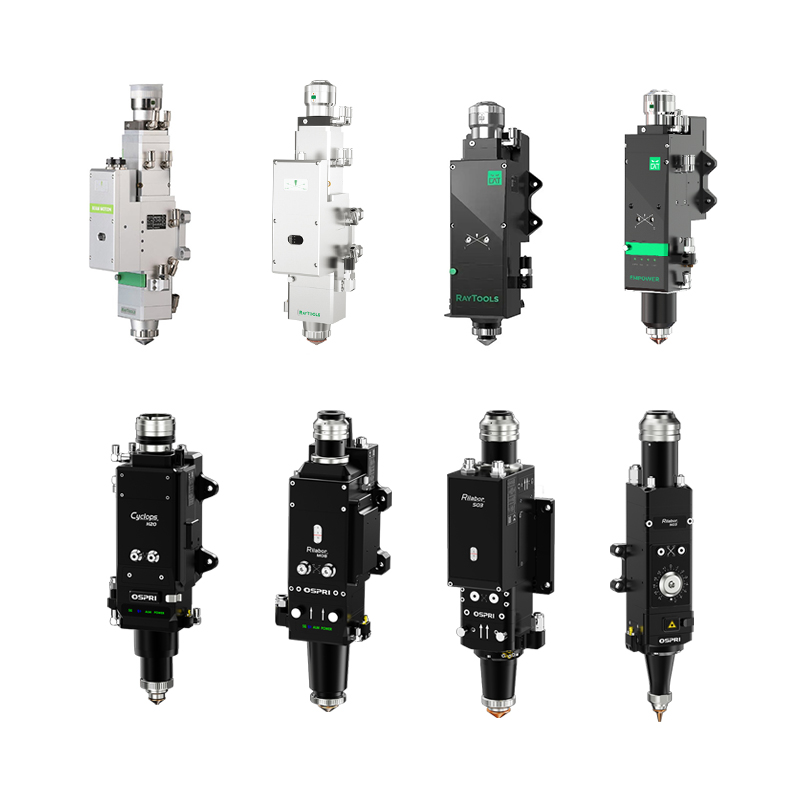
Compare cutting head options
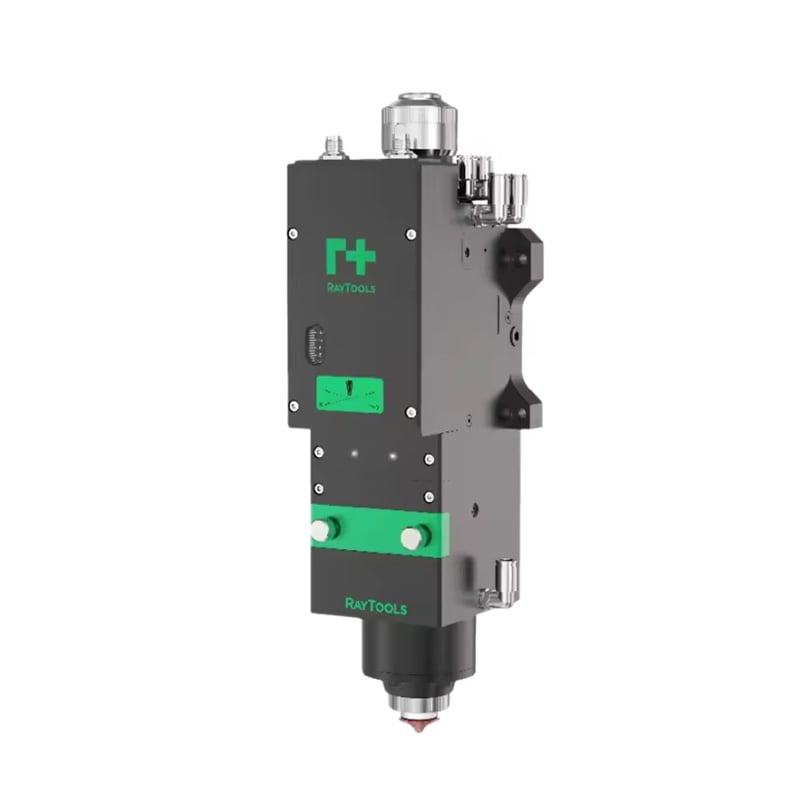
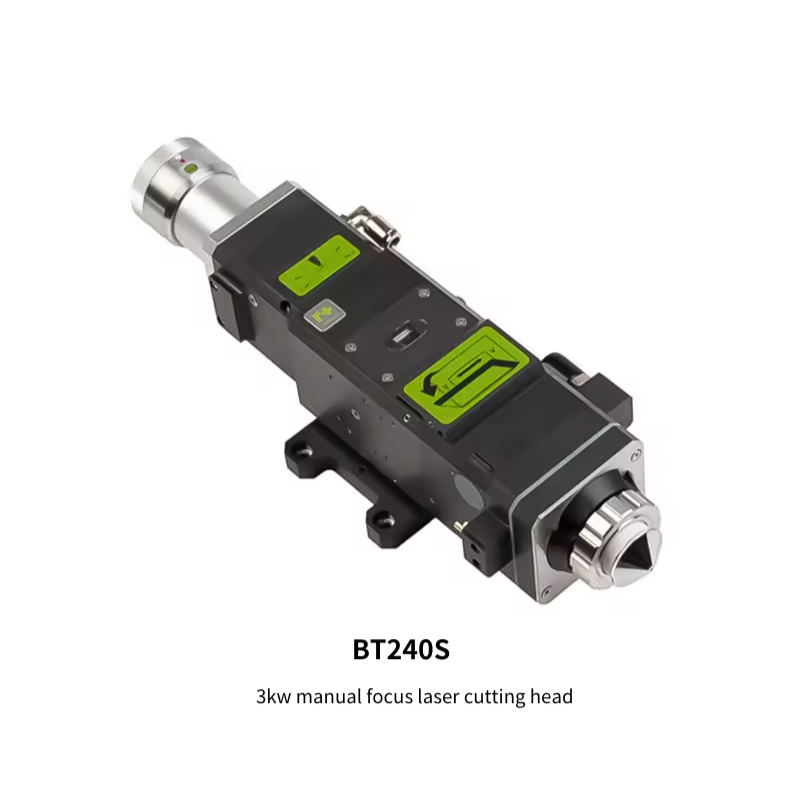
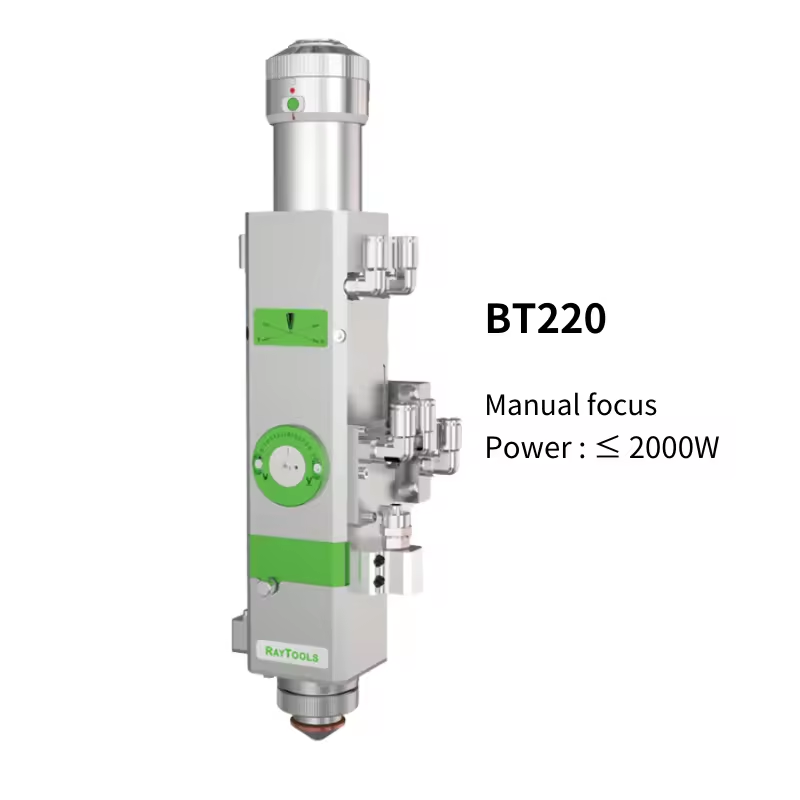
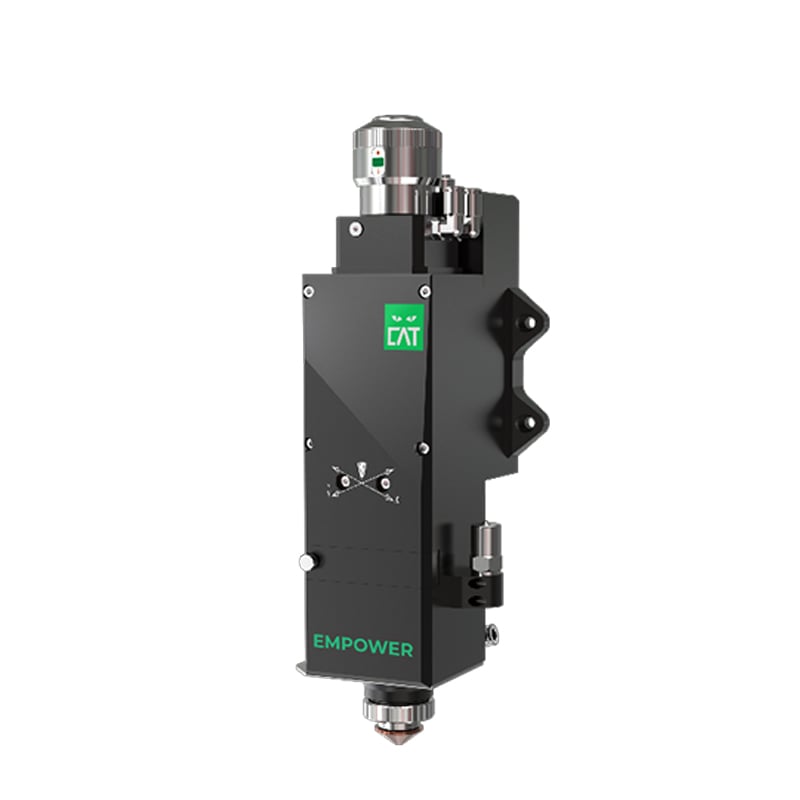
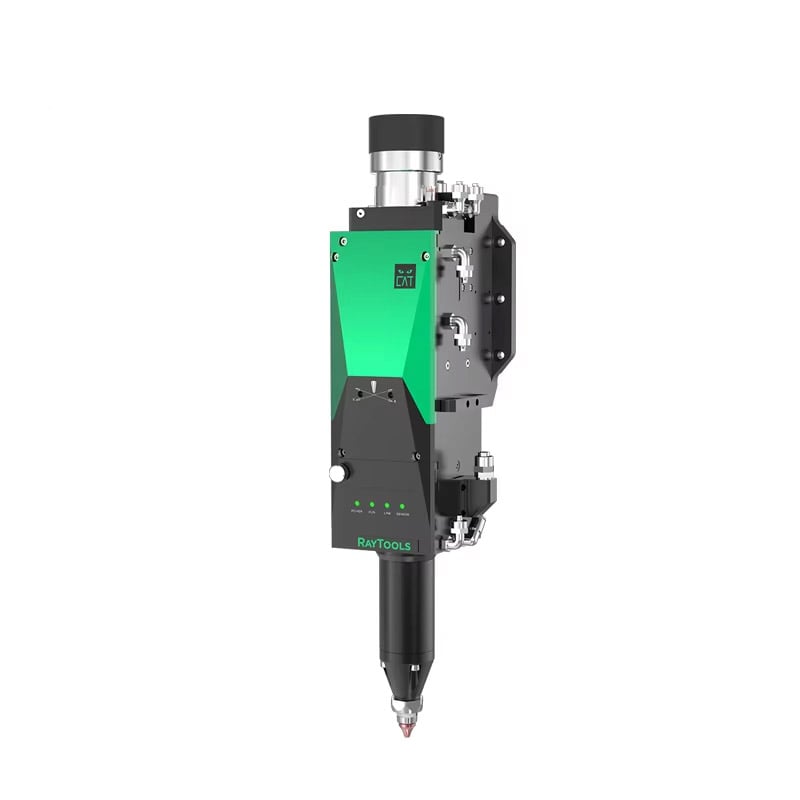
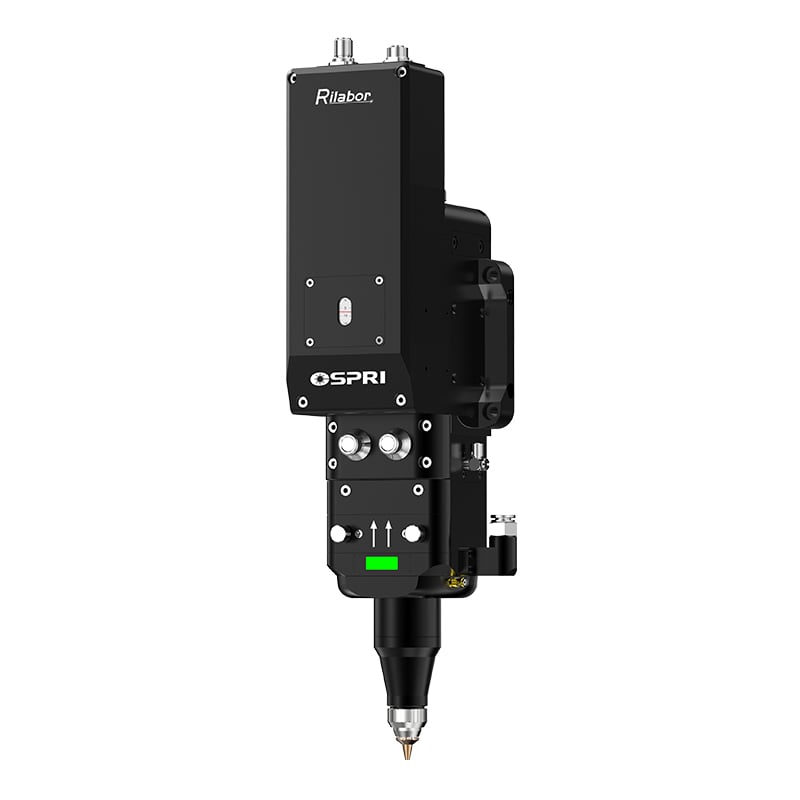
The BT220 is listed at 2 kW, and the BT240S and BS03K-CAT are listed at 3 kW. The BS20K listing states a rating up to 20 kW. These are different starting points for a review, not a promise that a head will fit a particular machine. Compare the source output and operating needs against the product data for the exact version. The right rating for the best fiber laser cutting head depends on the full planned operating range.
That said, power is only one part of the choice. The BS03K data gives a 1080 nm wavelength and an autofocus range of minus 22 to plus 22 mm. The BS20K data lists F220 and F300 focus lens options and different vertical focus ranges for each. Ask which option is offered and whether it meets the job. The best fiber laser cutting head for your line is the one whose documented setup matches the task. Do not assume the same lens or focus travel applies to every model.
Check the machine fit
Start with the mechanical mount and check the available space around the head. Review the travel path, cable routing and the room needed to remove parts. The BS03K data lists a four by M6 head mounting pattern. Use a current drawing to verify the full fit rather than relying on a bolt pattern alone. An integrator should review the drawing along with the machine layout.
Next check the control signals, supply and gas and cooling connections. The BS03K record lists a 24 V supply and gives separate gas and water connection data. These figures belong to that model, not the whole range. Ask for the right document for the version under review. A search for the best fiber laser cutting head should include the exact head version in that request. Confirm limits with the machine builder and arrange the work under the site's laser safety procedures. Do not connect or test a head based on a sales page alone.
Plan access and upkeep
From a maintenance planning view, start with access. Can the service team reach the relevant parts without blocking nearby motion or cables? Identify the wear points named in the model manual, then agree on a check routine with the machine operator. Keep a record of the head model and any part numbers used on site. Follow the maker's steps for safe shutdown and service.
A fiber laser consumables package should be checked against the exact head and its service instructions. Ask which parts are included and whether each one fits the chosen version. An order list is not a substitute for a fit check. If the machine is used for fiber laser cutting bulk work, discuss planned usage and spare needs with the team, but do not infer a service life from volume alone.
When reviewing a cutting head, turn uncertainty into a checklist. Keep unanswered points beside the model name and assign each one to the buyer, operator or integrator. Once the power, fit and service questions have been reviewed, request written technical confirmation before making the final choice. This simple record gives each party a common basis for the next discussion.