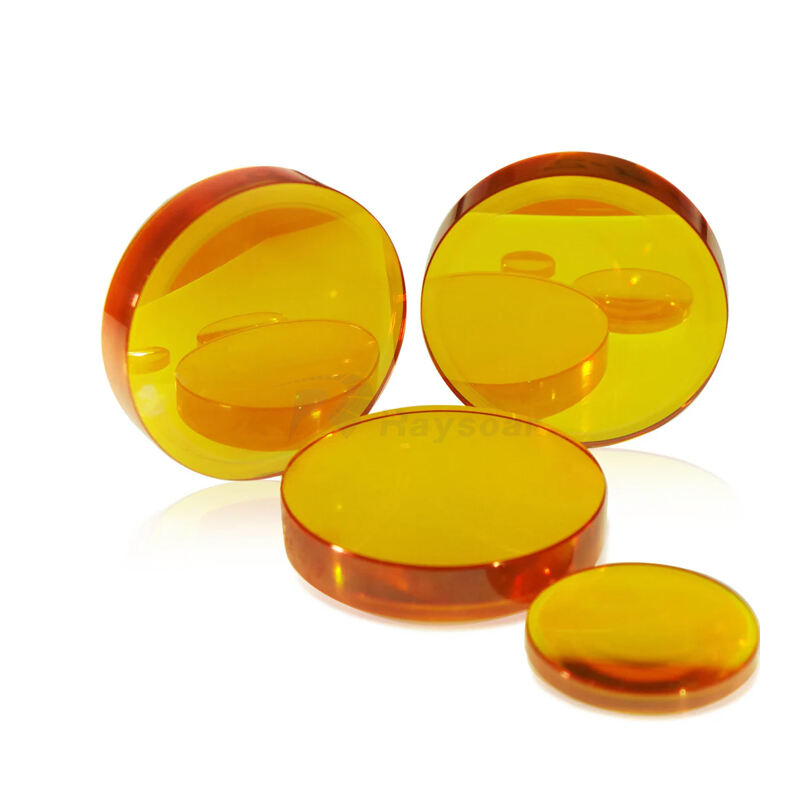
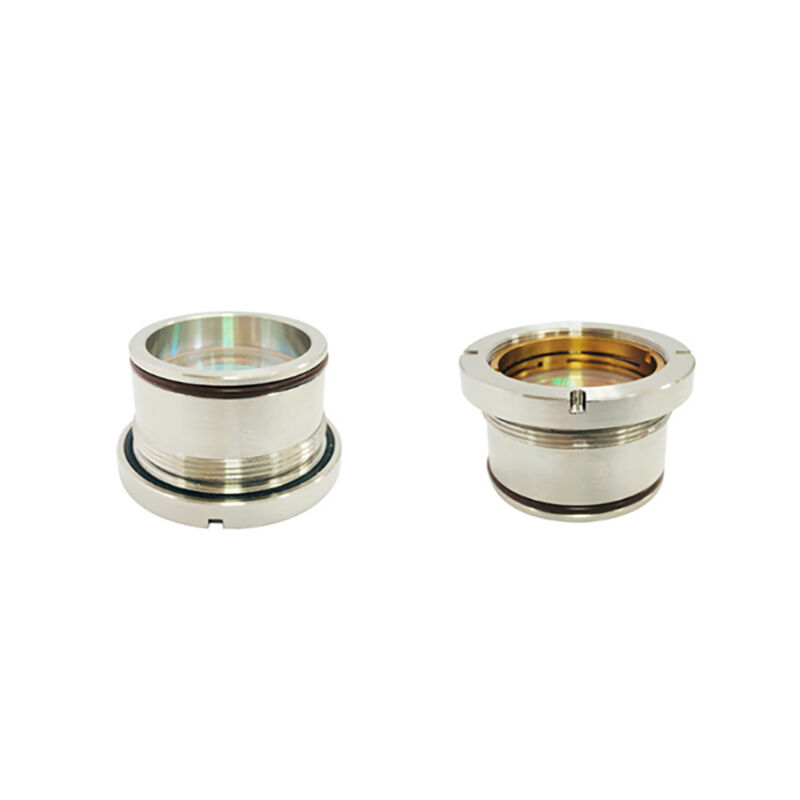
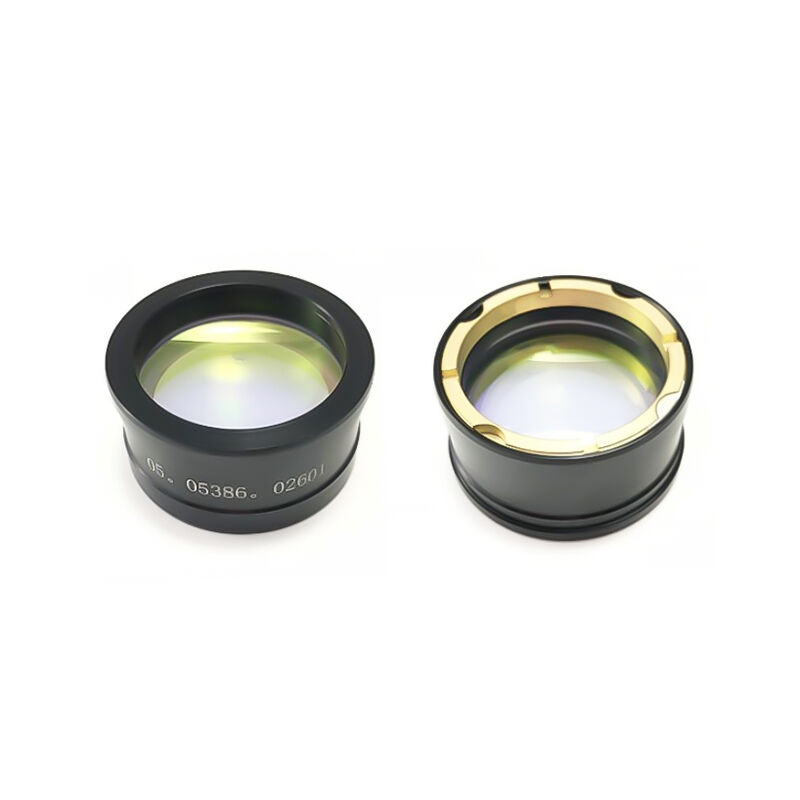
Aspheric collimating lenses showcase a great leap in design of optical components meant to correct optical aberrations and improve the quality of laser beams. While spherical lenses have a uniform curvature which results in spherical aberrations, an aspheric lens utilizes a non-spherical curvature. This means a lens can be manufactured with a more complex geometry which can alleviate light propagation issues. This results in high quality, parallel, and uniform output beams with little to no wavefront error.
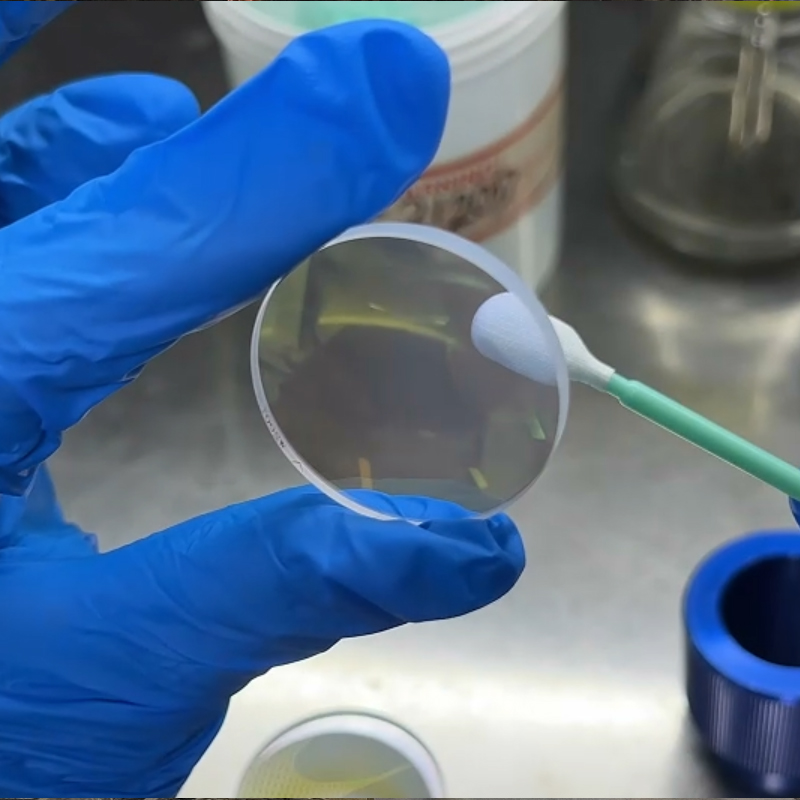
The production of such optics is no simple feat. Advanced precision molding technologies have to be implemented, allowing for exceptional consistent and repeatable lens production with high surface quality. Using high quality optical grades such as fused silica and specialty glasses with precise anti reflective coatings results in a lens with high transmission and high endurance to harsh environments, especially high powered lasers.
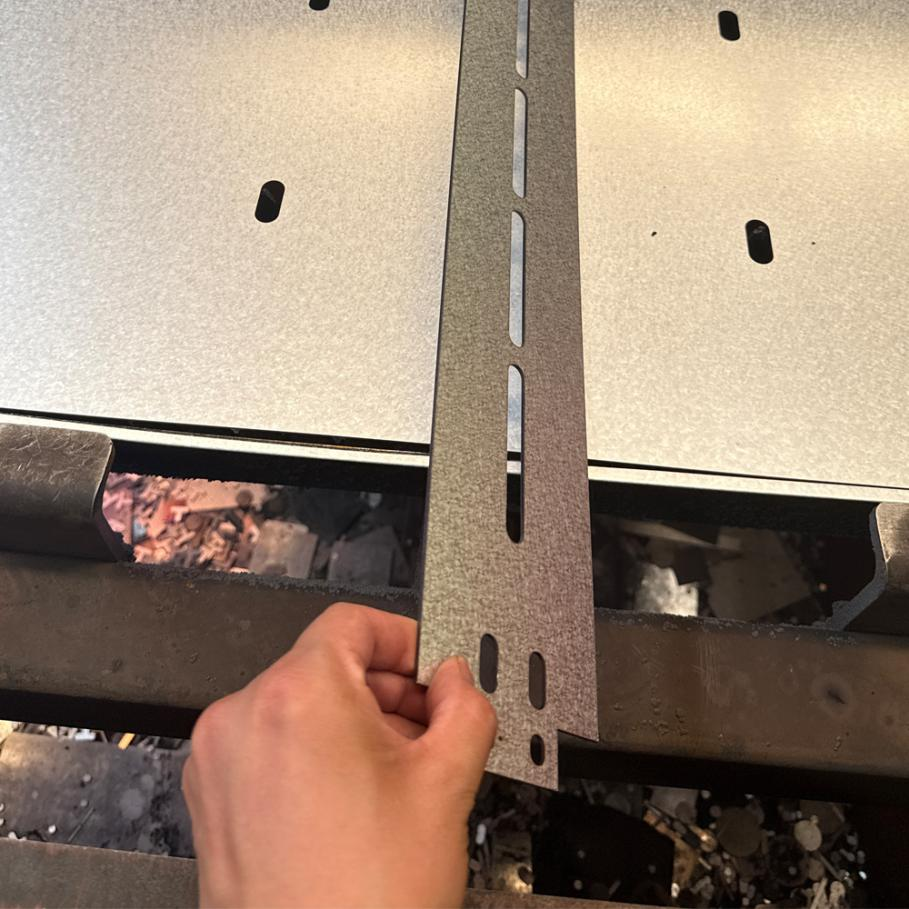
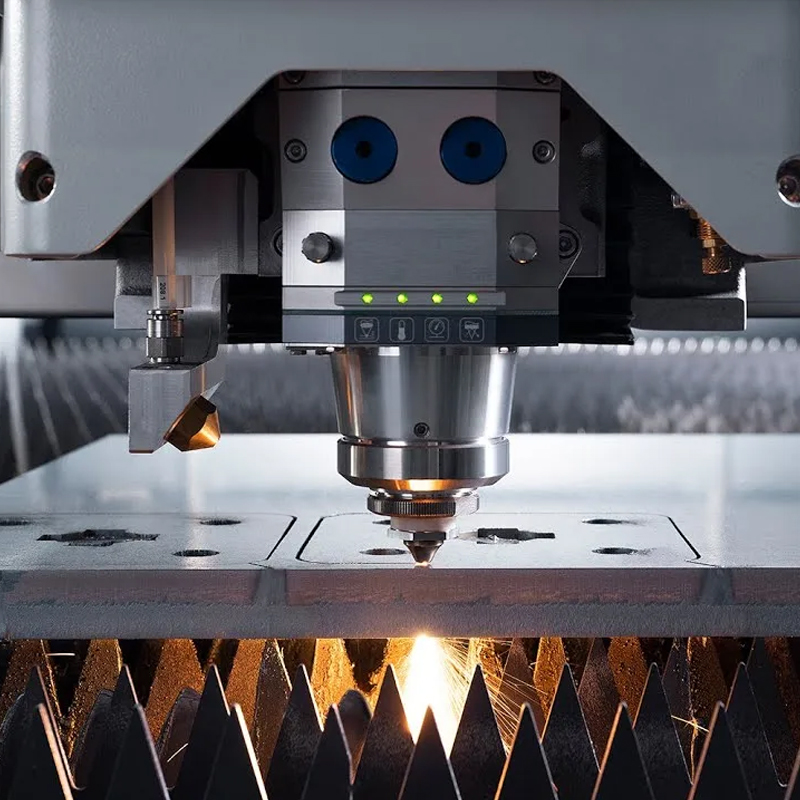
Aspheric collimation is beneficial to many areas of high precision engineering. When laser engraving and marking, sharper details and contrasts are possible. For laser cutting and welding, more focused energy spots allow for thinner kerfs, stronger cut penetration, and cleaner cut edges. This is crucial for medical devices and diagnostic systems that rely on precise engineering and accurate outputs. Additionally, aspheric collimators increase the efficiency of laser systems with optimal distortion-free energy utilization, better controllable focus, and lowered the laser system’s thermal load. This increases processing speeds, lowers operational costs from energy savings, and increases consistency and quality of outputs.
Our knowledge of the optical principles and requirements of various applications is the foundation of our laser industry expertise. We offer our customers system integration support and on-site maintenance training to achieve the optimal performance of our aspheric collimating lenses and to get the most value from your optical investments.