
Почетна страница > Потребне материје > Ласерски оптерећење од влакана > Ленце за заваривање ласером
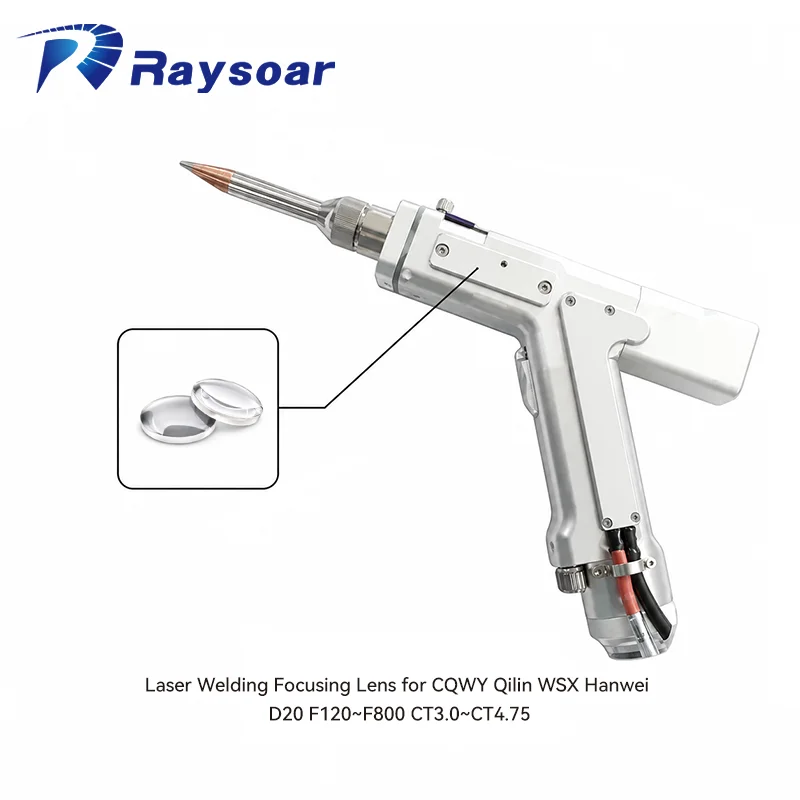
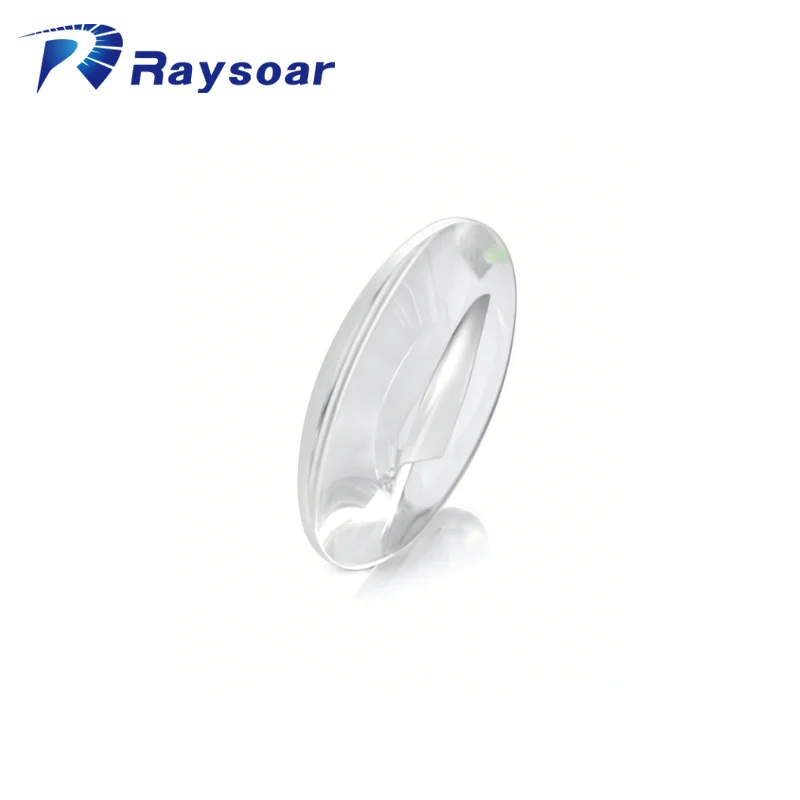
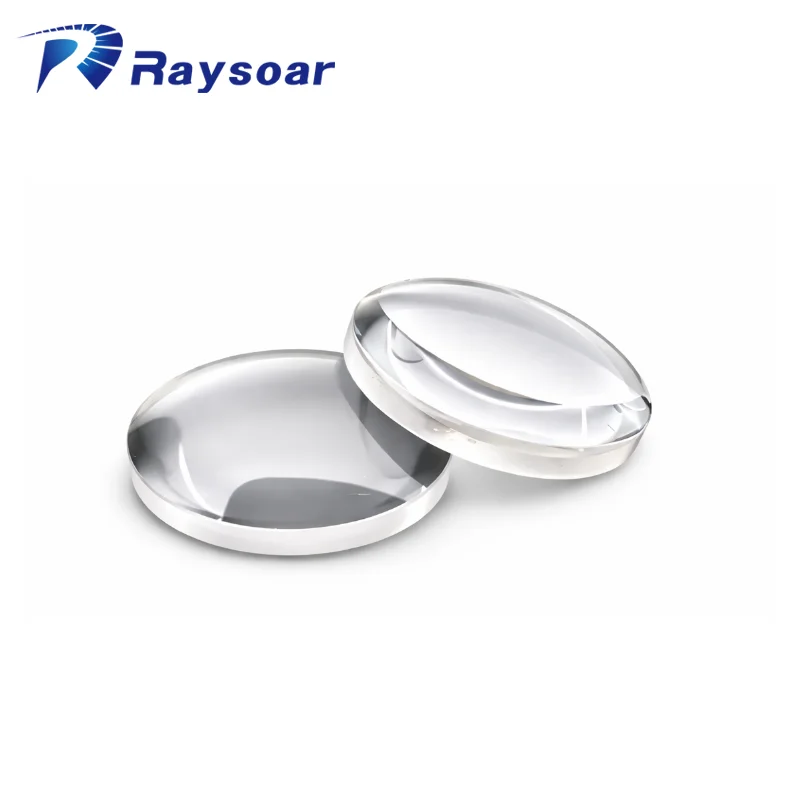
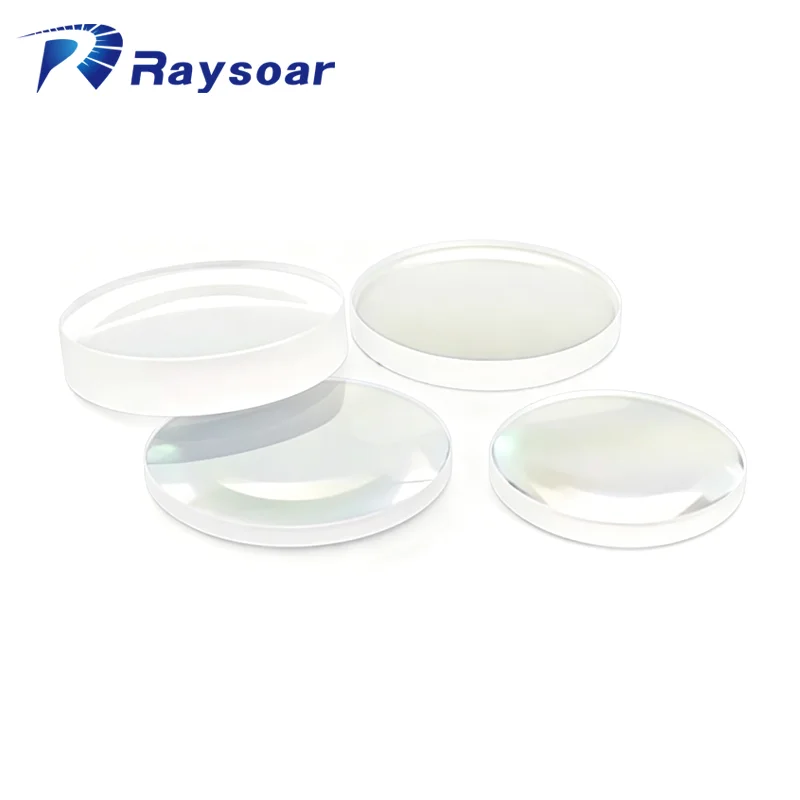
Име производа: Фокусирајући објектив
Спецификација: Д20 мм
Ф120/150/180/200/400/600/800 мм
CT3.0/3.5/3.9/3.9/4.0/4.5/4.75mm
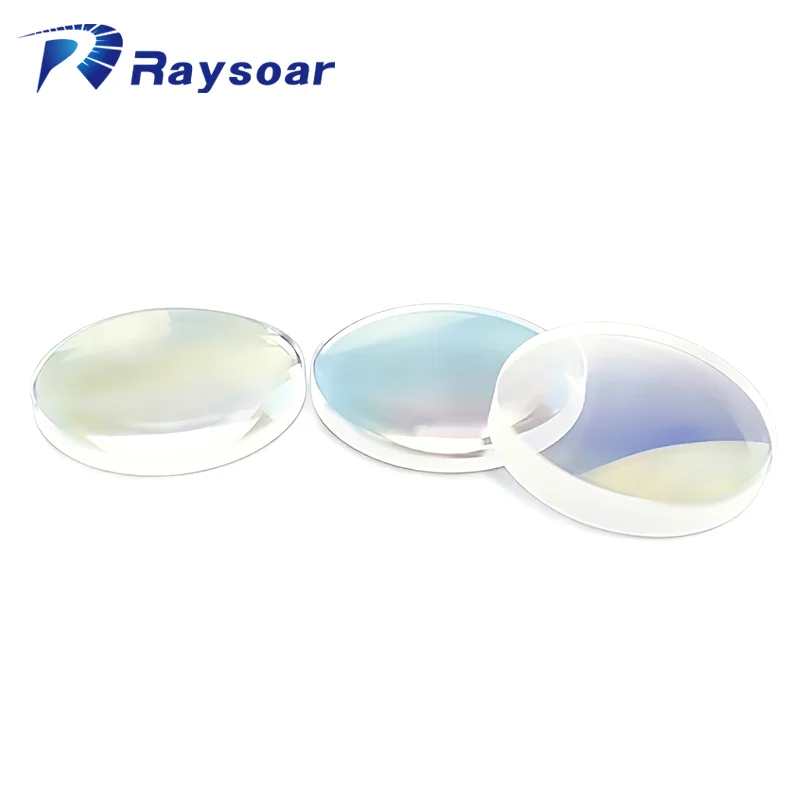
Покрив и таласна дужина: АР/АР @1064НМ
Примена: Ласерска заваривачка глава
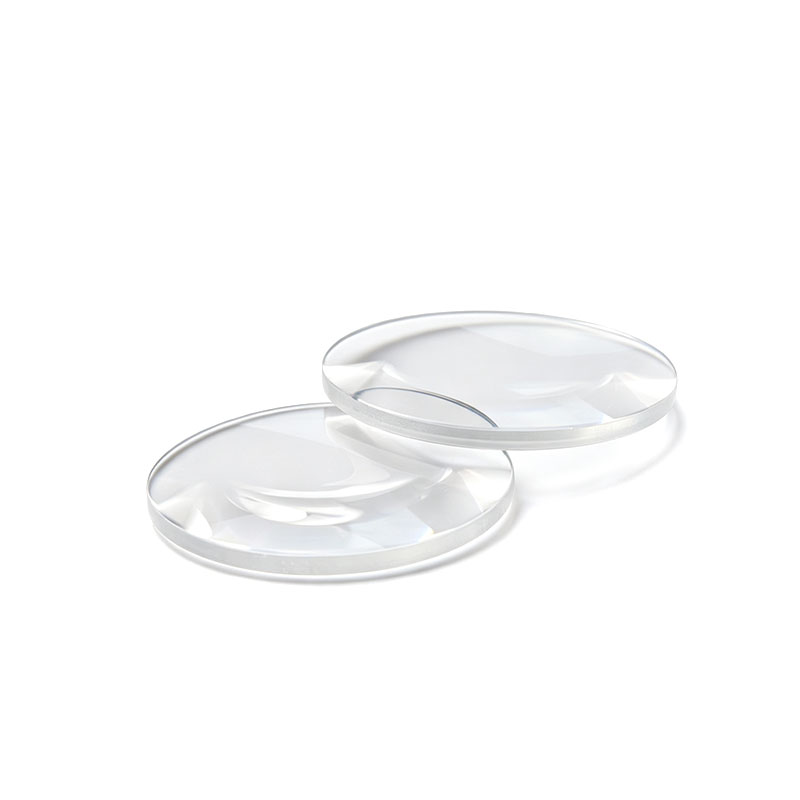
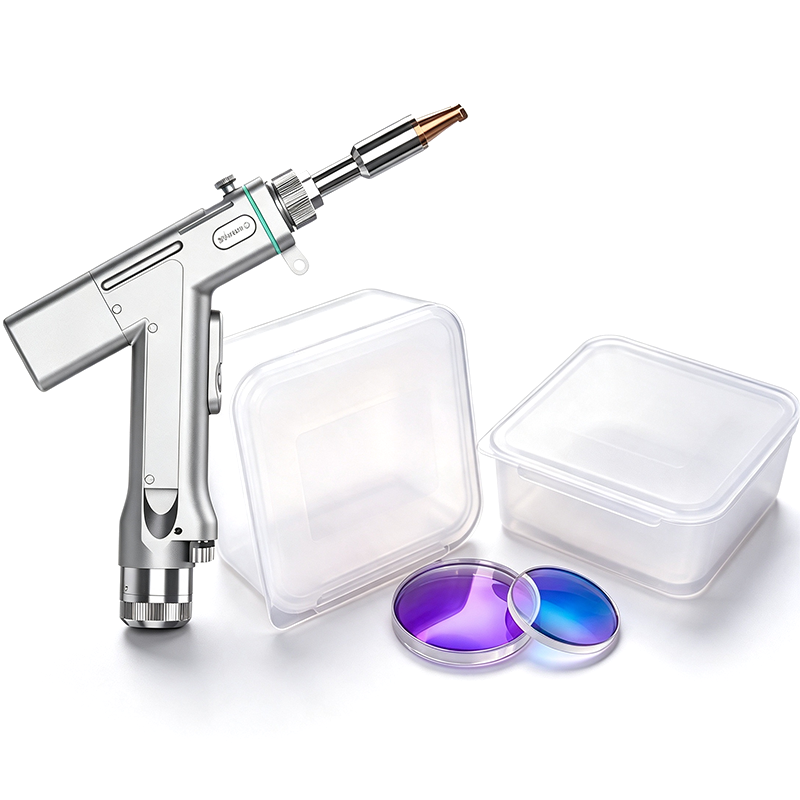
За купце и операторе ручних ласерских машина за заваривање (ласер са влаконцом, 1064 нм). Прикладно је за КБХ / стандардне ручне заваривачке факеле.
Фокусирачка лећа је оптичка компонента унутар главе факеле која концентрише колимирани ласерски зрак у малу, високоенергетску тачку на радном делу. Он директно одређује величину тачке, густину енергије и стога дубину заваривања, брзину и квалитет швака. Сједи иза заштитног сочива у оптичком путу: Заштитни сочив → Фокусирајући сочив → (Рефлективна/Колимацијска оптика).
Најчешћа фокусирање лећа за ручне заваривачке факеле је Д20 × 4,5 мм (20 мм пречника, 4,5 мм дебљине), са фокусним дужинама од Ф100 до Ф200 - Да ли је то истина? Више фокусних дужина (Ф400 / Ф600 / Ф800) су такође доступне за посебне апликације.
Уобичајена величина |
Фокална дужина |
Типична употреба |
Д20 × 4,5 мм |
Ф100 / Ф125 |
Фин заваривање, танке листове, ниска снага |
Д20 × 4,5 мм |
Ф150 |
Најпопуларнији општог избора |
Д20 × 4,5 мм |
Ф200 |
Дебљи плочи, дубље проникње |
Д20 × 4,5 мм |
Ф400Ф800 |
Специјалне / дуге апликације за заглављење |
Високојакосни ласерски влакна (1064 нм) фокусирање сочива су скоро увек направљени од са стаклом од кварца са антирефлексивно премазивање (АР) за 1064 nm (типична рефлектанца < 0,25%). Сплављени силицијум нуди одличну преносност у блиском инфрацрвеном опсегу и високу топлотну отпорност, што га чини погодним за континуирано коришћење високе снаге (до ~ 500 °C радне температуре у пракси за прозорце).
Заштитна сочива
Фокусирање сочива
Правило: ако видите оштећење на самој фокусираној сочиви, заштитна сочива су замењена сувише касно.
Фокална дужина |
Величина спота / густина енергије |
Најбоље за |
Уколико је у питању прелаз, уколико је у питању прелаз, |
Мања тачка, већа густина енергије, нижа дубина фокуса |
Тене листове (0,52 мм), фино и брзо заваривање, мала снага |
Ф150 |
Избалансирано |
Највећи део ручног заваривања за свеукупну употребу |
Дужи (F200) |
Већа тачка, мања густина енергије, већа дубина фокуса |
Дебљи плочи (3 мм +), дубоко продирање заваривања, више отварања од прскања |
Краће фокусно растојање = више концентрисане енергије, али мање радне удаљености; дуже фокусно растојање = више толеранције и сигурније заглављење, али потребна је већа снага за исту проникност.
Плеће за заваривање
Загађење димом и прашином
Одложена замена заштитних сочива
Неисправно чишћење
Неисправни проток гаса за штитило
Кво8. Зашто се моја сочива брзо оштећују када заварим алуминијум или циљани челик?
Алуминијум и цинкован челик производе тешке прскавице и цинкове гасове који брзо загађују оптику. Препоручане контрамере:
Не, не, не. Када се субстрат уђе у јаме, напукне или премаз изгори, сочива се не може поуздано поправити или поново премазити. Замените га оригиналном, одговарајућом сочивом како бисте одржали квалитет греде и конзистенцију заваривања.
Пре него што наручите, потврдите следеће:
Дијаметар × Центар Т хицкнес
Фокална дужина
Таласна дужина / премаз
Компатибилност модела / марке факеле
Уколико сте у сумњи, пошаљите слику објектива и модела факеле свом добављачу погрешан објектив неће правилно фокусирати и може оштетити оптичку шупљину.
Напомена: Спецификације могу да се разликују у зависности од произвођача. Увек пратите упутство за варење ваше машине и главе факеле.


Ауторско право © 2024 од Шангаја Рајсоар Електромеханичка опрема Цо., Лтд.