
Kezdőlap > Fogyóanyagok > Fiber Lézer Lencse > Lézerhegesztő Lencse
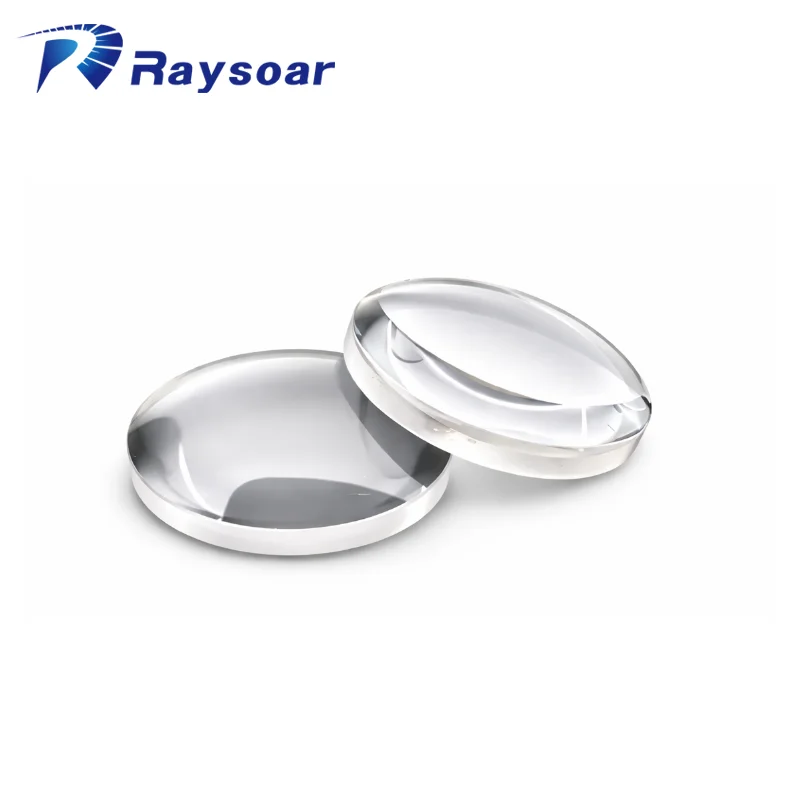
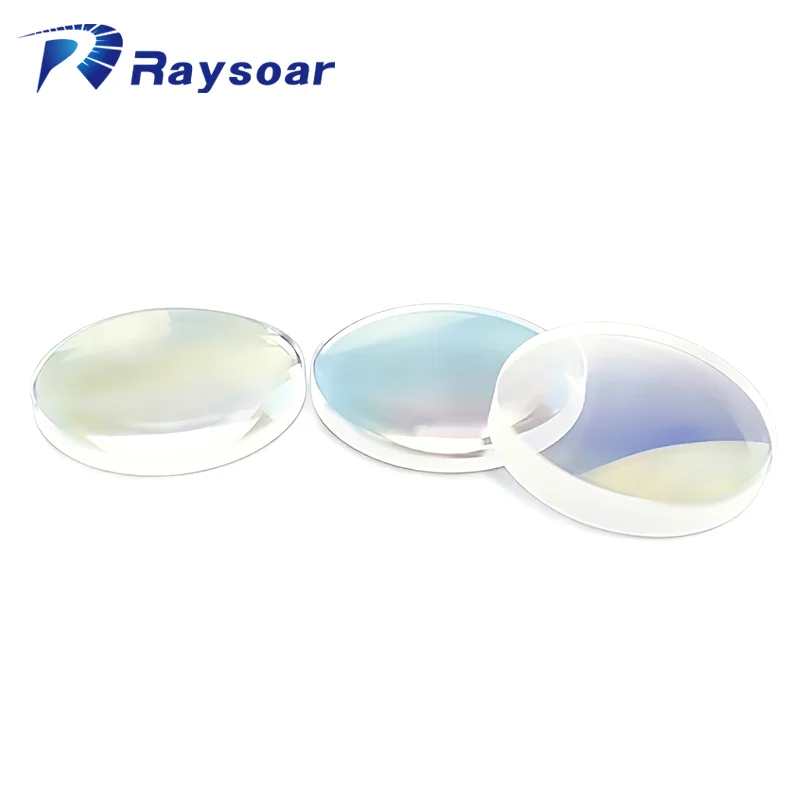
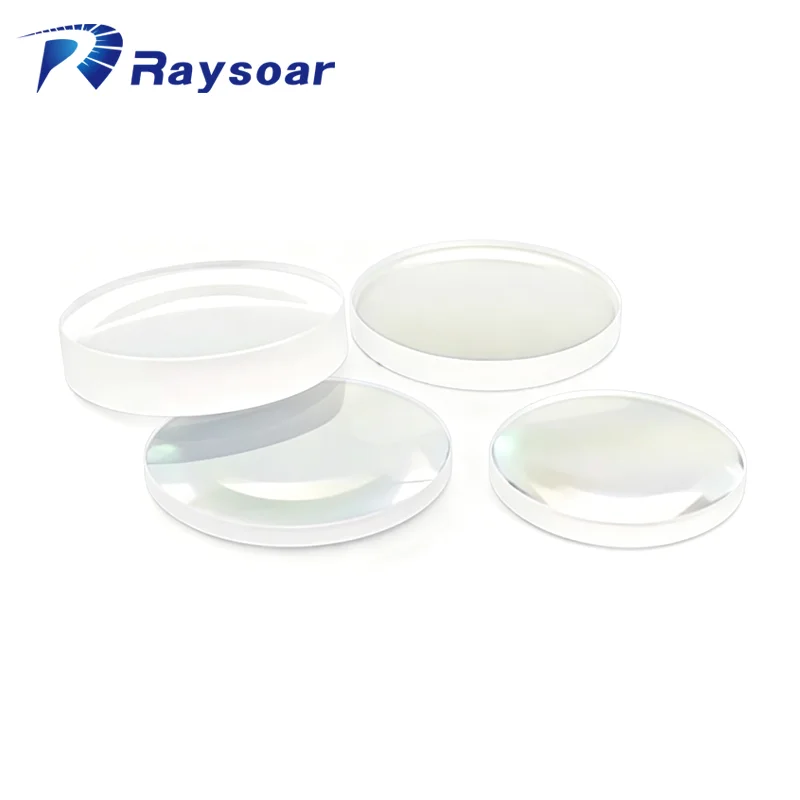
Termék neve: Fókuszáló lencse
Műszaki adatok: D20 mm
F120 / 150 / 180 / 200 / 400 / 600 / 800 mm
CT3,0 / 3,5 / 3,8 / 3,9 / 4,0 / 4,5 / 4,75 mm
Rétegzés és hullámhossz: AR / AR @1064 nm
Alkalmazás: lézerhegy
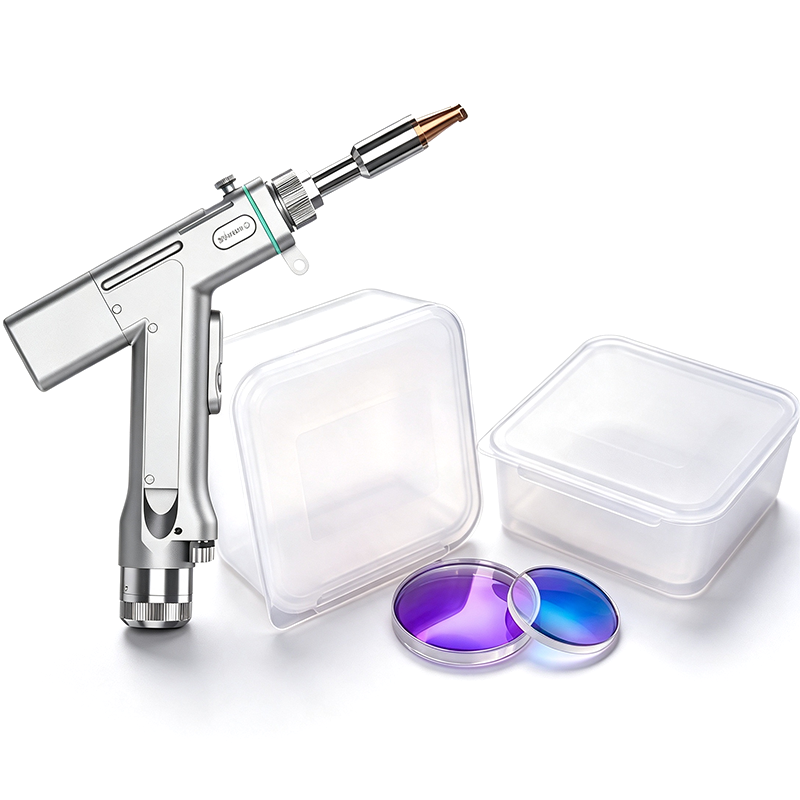
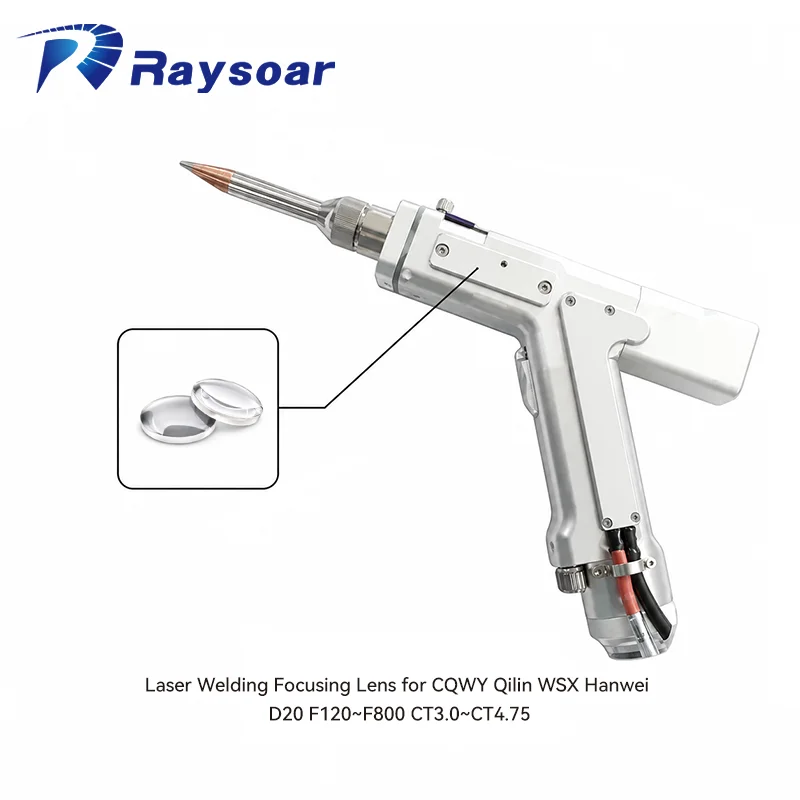
Kézben tartott lézerhegesztő gépek (szálas lézer, 1064 nm) vásárlói és üzemeltetői számára. Alkalmazható QBH / szabványos kézben tartott hegesztő égőfejekhez.
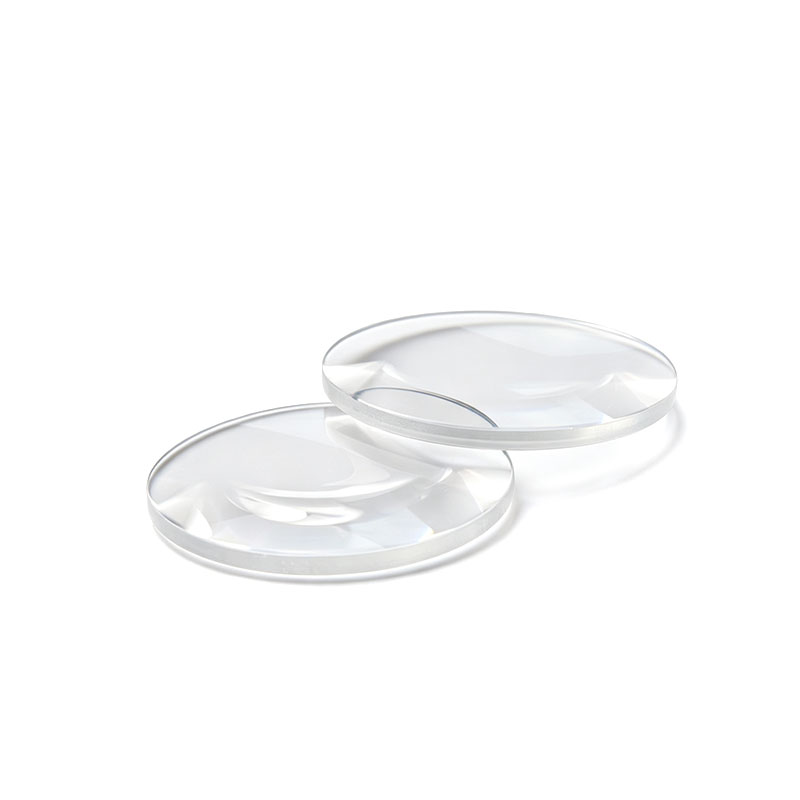
A fókuszáló lencse az optikai összetevő az égőfej belsejében, amely a párhuzamosított lézersugarat kis, nagy energiasűrűségű folttá koncentrálja a munkadarabon. Közvetlenül meghatározza a folt méretét, az energiasűrűséget, és ezáltal a hegesztés mélységét, sebességét és varratminőségét. Az optikai útvonalban a védőlencse mögött helyezkedik el: védőlencse → fókuszáló lencse → (visszaverő / párhuzamosító optika).
A kézben tartott hegesztő égőkhöz leggyakrabban használt fókuszáló lencse D20 × 4,5 mm (20 mm átmérő, 4,5 mm vastagság), fókusztávolságokkal F100-tól F200-ig . Hosszabb fókusztávolságok (F400 / F600 / F800) szintén elérhetők speciális alkalmazásokhoz.
Közös méret |
Fókusztávolság |
Tipikus használat |
D20 × 4,5 mm |
F100 / F125 |
Finom hegesztés, vékony lemezek, alacsony teljesítmény |
D20 × 4,5 mm |
F150 |
A legnépszerűbb univerzális választás |
D20 × 4,5 mm |
F200 |
Vastagabb lemezek, mélyebb behatolás |
D20 × 4,5 mm |
F400–F800 |
Speciális / hosszú távolságú alkalmazások |
A nagy teljesítményű szálas lézerek (1064 nm) fókuszáló lencséi majdnem mindig olvadt kvarcból (kvarcüvegből) a antiverző (AR) bevonattal 1064 nm-re (tipikus visszaverődés < 0,25%). Az olvadt kvarc kiváló áteresztést biztosít a közeli infravörös tartományban, és magas hőállósággal rendelkezik, így folyamatos, nagy teljesítményű használatra alkalmas (gyakorlatban a munkahőmérséklet akár kb. 500 °C-ig is elérhető ablakok esetén).
Védelmi lencse
Fókuszu lencse
Tapasztalati szabály: ha a fókuszáló lencsén sérülést észlel, a védőlencsét túl későn cserélték.
Fókusztávolság |
Foltméret / energiasűrűség |
Legjobban alkalmas |
Rövidebb (F100/F125) |
Kisebb folt, magasabb energiasűrűség, sekélyebb fókusztávolság |
Vékony lemezek (0,5–2 mm), finom és gyors hegesztés, alacsony teljesítmény |
F150 |
Kiegyensúlyozott |
A legáltalánosabb kézi hegesztéshez |
Hosszabb (F200) |
Nagyobb folt, alacsonyabb energiasűrűség, hosszabb fókusztávolság |
Vastagabb lemezek (3 mm felett), mély behatolású hegesztés, nagyobb távolság a fröccsenéstől |
Rövidebb fókusztávolság = koncentráltabb energia, de kisebb munkatávolság; hosszabb fókusztávolság = nagyobb tűrés és biztonságosabb távolság, de magasabb teljesítmény szükséges ugyanolyan behatoláshoz.
Hegesztési fröccsenés
Füst- és porszennyeződés
Késleltetett védőlencse-csere
Helytelen tisztítás
Hibás védőgáz-áramlás
K8. Miért sérül meg gyorsan a lencsém, amikor alumíniumot vagy cinkbevonatos acélt hegesztek?
Az alumínium és a cinkbevonatos acél erős fröccsenést és cinkgőzt termel, amely gyorsan szennyezi az optikai elemeket. Ajánlott ellenszereink:
Nem. Ha a lencse alapanyaga behorpadt, repedt, vagy a bevonata leégett, akkor a lencsét nem lehet megbízhatóan javítani vagy újra bevonni – egy sérült alapanyag újra bevonása nem állítja vissza az optikai teljesítményt. Cserélje le eredeti, illeszkedő lencsére, hogy fenntartsa a sugárminőséget és az hegesztési konzisztenciát.
Erősítse meg az alábbiakat a rendelés előtt:
Átmérő × Középpont T vastagság
Fókusztávolság
Hullámhossz / bevonat
Pisztoly modell / márkakompatibilitás
Ha bizonytalan, küldjön egy fényképet a lencséről és a lángfejről szállítójának – egy helytelen lencse nem fog megfelelően fókuszálni, és károsíthatja az optikai üreget.
Megjegyzés: A műszaki adatok gyártónként eltérhetnek. Mindig kövesse a konkrét hegesztőgépe és lángfeje kezelési útmutatóját.


Copyright © 2024 by Shanghai Raysoar Electromechanical Equipment Co., Ltd.